General information to help you prepare for a conversation with your clinician.
Suppose you can walk your dog for twenty minutes, but stepping off the curb makes your knee hurt. You open the MRI report hoping it will explain that one step. Instead, you find a page of unfamiliar words.
On this page
Start with the moment you keep working around Tell the reviewer what decision is still open Three lines to keep on your phone What did we miss? Source Keep readingThat curb belongs in your second-opinion request. The surgeon can read the report. You’re the one who can tell them which part of your day you want back.
Start with the moment you keep working around
If you’ve been writing “knee pain,” try finishing the sentence. Is the hard part getting out of a low chair, kneeling to help your kid tie a shoe, or turning over in bed? Pick the example that best describes why you made the appointment. Include when it started and what you’ve tried. If something helped a little, say what got easier.
Tell the reviewer what decision is still open
You might already know what the report says. What you need to know is whether the proposed treatment would help you get down that curb. Here’s one way to ask:
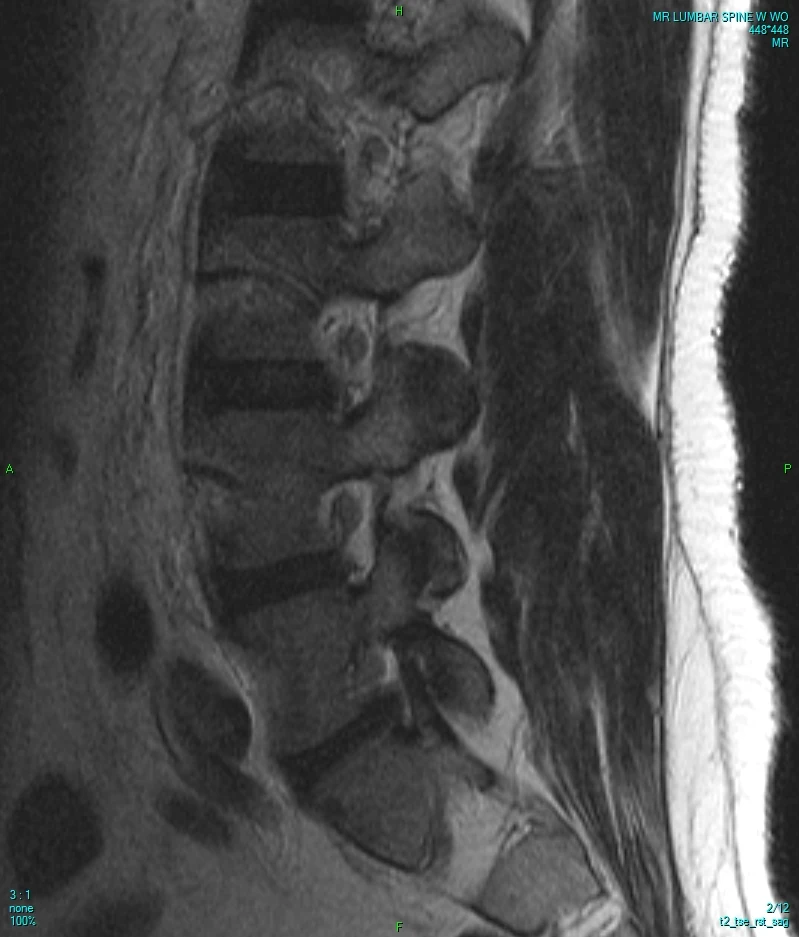
A question you can adapt“Going downstairs hurts more than walking on level ground. Which finding, if any, fits that pattern? Would an exam change what you’d recommend?”
If you’re weighing an operation, give the reviewer the actual choice you face. “I was offered surgery. What would make you recommend continuing therapy first?” gives them something specific to answer. You can also say what matters most to you, whether that’s sleeping through the night or being able to work a shift.
Three lines to keep on your phone
The activity I struggle with is ___. I’ve tried ___, and it changed ___. The decision I want help making is ___.
Read those lines back to yourself. If they sound like something you would say on the phone to a friend, they’re probably clear enough. Before you send the request, check how the office wants the images and report delivered and whether the reviewer needs to examine you in person.
What did we miss?
Suggest a question for a future post. Keep it general; please don’t email scans or personal medical information.
Source
AAOS guide to preparing for an orthopedic visit