
A splint can hold your wrist still while the swelling changes. Its rigid support covers part of the wrist and is held in place with a wrap. A cast has a hard shell that goes all the way around. The extra room is one reason an injured wrist often gets a splint first.
On this page
What the follow-up is for When to get help sooner Sources Related guidesWhat the follow-up is for
The team checks how the wrist is healing and whether the broken pieces are staying in position. Depending on the fracture and its treatment, they may take another X-ray or change how the wrist is supported. You may go home with a cast, another splint or a different treatment plan.
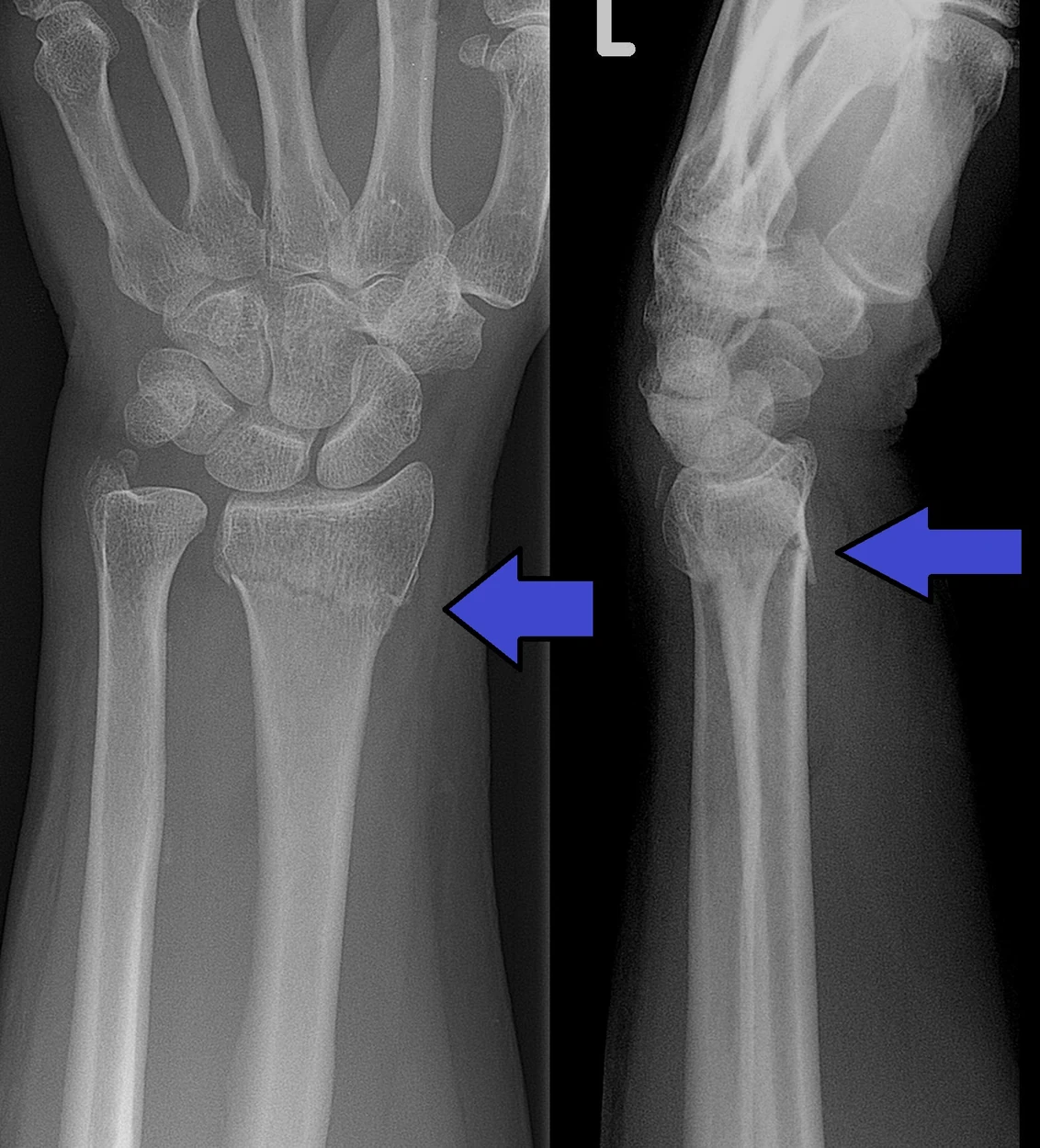
If you left urgent care with a referral, check that there’s an appointment attached to it. Tell the office when you were injured and ask when the treating team wants to see you. Follow the instructions you were given about keeping the splint on and using the hand.
When to get help sooner
Get medical advice promptly if pain or tightness is getting worse, your fingers feel numb or tingly, or swelling below the splint increases. Get urgent care if you can’t move your fingers or they become pale, blue or cold. Don’t wait for your routine visit to report those changes.